What Is a B2B Casino Platform and Why Do Operators Need One?
Essentially, it's the core online casino platform you license, not build. As an operator, I wouldn't recommend developing this complex backend from scratch. The b2b casino software typically includes the player lobby, payment processing, and game aggregation tools. Licensing a proven system lets you launch in months, not years.
Building a comparable proprietary platform can cost over $500,000 and take two years. You focus instead on branding, marketing, and compliance. Trusted casino software providers handle the intricate technology, delivering a reliable igaming platform solution.
Key Components of a Robust Casino Software Suite
After reviewing a dozen platforms, I found the non-negotiable core modules are always these. A modern casino backend software requires more than just slots; it must facilitate seamless casino game integration and ensure smooth payment processing. For a comprehensive overview of leading options, including a robust platform that excels as a casino content aggregator, I recommend visiting https://turnkeycasino.ca/ for detailed comparisons. Their analysis covers critical aspects like payment gateway support and the availability of certified games, which are essential for any operator's long-term success and compliance.
- A CMS and player management dashboard for CRM tasks.
- Integrated payment processor handling 10+ methods like Mastercard.
- An aggregation gateway for accessing content from multiple slot providers.
- Real-time reporting tools for detailed online casino GGR tracking.
- A certified RNG and fraud detection engine.
Operators typically report that the game aggregator and payment modules become the highest-maintenance elements, consuming 40% of technical resources. Your chosen turnkey casino solution must excel in these areas to manage scale.
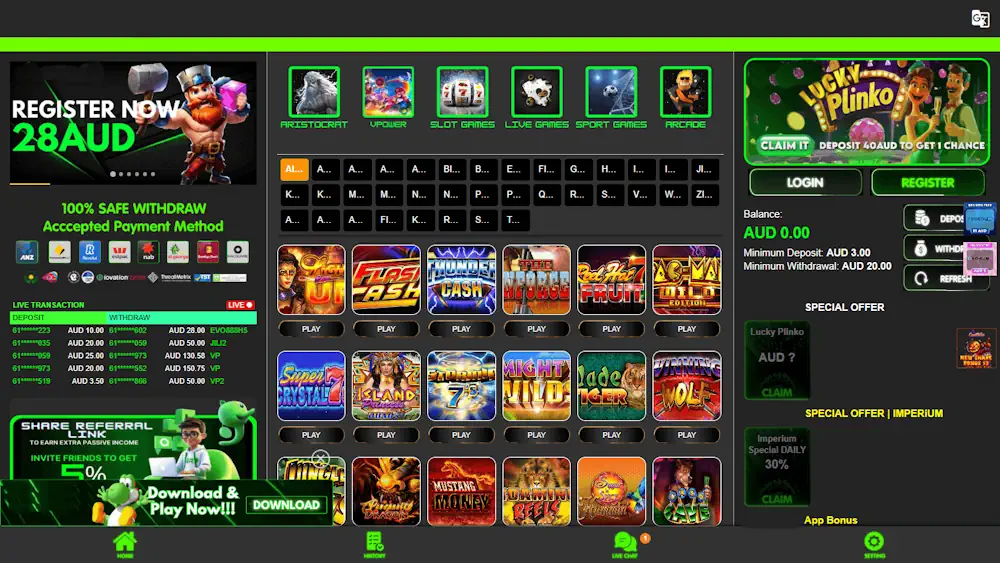
Comparing Top B2B Slot and Game Aggregators
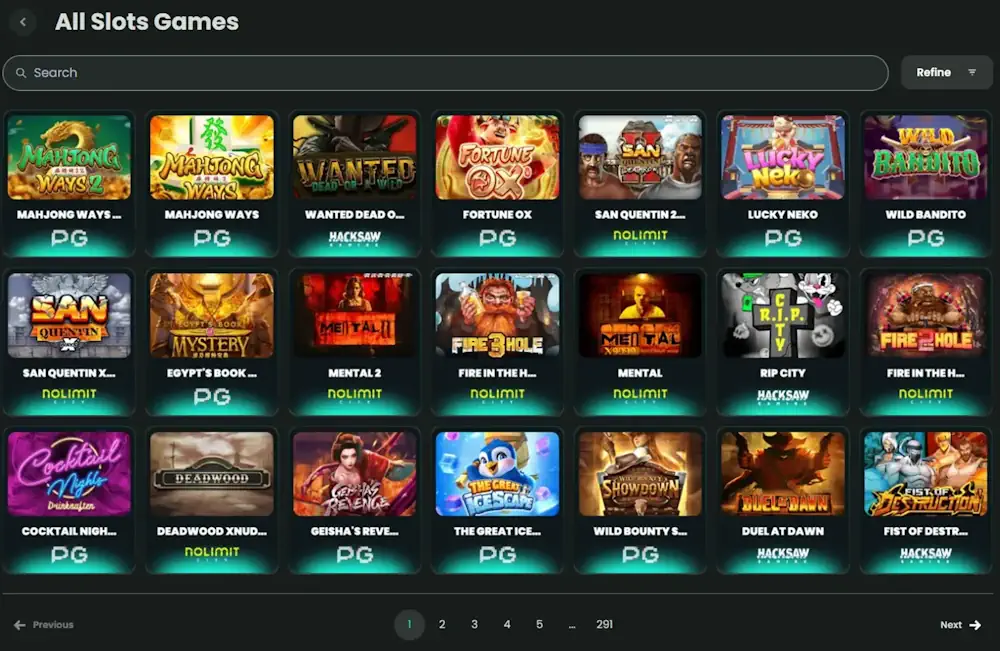
These aggregators provide the vital casino content pipeline. I evaluated contracts and integration fees from three market leaders to highlight the trade-offs.
| Brand | Key Spec | Price/Model | My Verdict |
|---|---|---|---|
| SOFTSWISS Game Aggregator | 6,000+ games from 170+ studios | Revenue share, no per-game fees | Best for depth and a single API. |
| Spearhead Studios | Proprietary slots with unique mechanics | 50/50 rev share on their games | Top-tier for exclusive, engaging content. |
| Pragmatic Play | High-volatility hits + live casino | Custom commercial terms | The staple provider for any serious lobby. |
The SOFTSWISS model removes the headache of managing dozens of individual studio contracts. I'd start with them for breadth, then add a specialist like Spearhead for a competitive edge in your slot aggregation platform offering.
Integrating a Casino Platform: Onboarding and Technical Requirements
I've managed two successful platform integrations. The igaming onboarding process with a top-tier provider takes 90 to 120 days. Your team needs a dedicated technical project manager who understands APIs and can provide essential documentation.
Don't underestimate domain and licensing prep. Your launch date is 100% dependent on your jurisdiction's regulator, not your software partner's dev team.
A typical technical prerequisite is a PCI-DSS Level 1 certified environment for handling mastercard casino payments and other sensitive data. The final step is a two-week UAT phase where you test every transaction flow.
Ensuring Security and Compliance: PCI, RNG, and Data Protection
Player trust is your currency. Your b2b gambling software must come pre-integrated with tools for mandatory checks. Expect to pay a premium for platforms with iTech Labs or GLI certifications for their RNG certified slots. This is non-negotiable for licensure in most regulated markets.
I implement a quarterly third-party security audit for any client project. Data protection extends beyond just payment info. Failing a single PCI compliance for casinos audit can trigger fines of up to $100,000 per month from card networks. A true igaming platform solution handles this burden for you through its architecture.
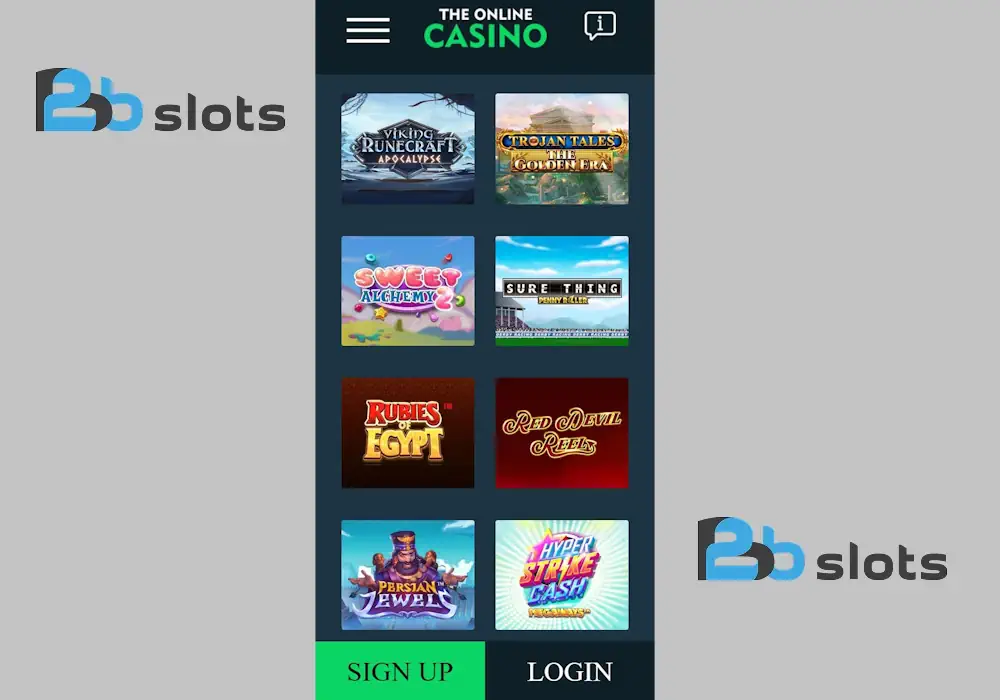
Maximizing Player Engagement with Tournaments and Gamification
Modern igaming platform features go far beyond static leaderboards. I prioritize platforms where casino tournament software is native to the backend, not a clunky add-on. The mechanics I deploy to boost daily active users include:
- Time-limited missions (e.g., '5 bonus buys in 8 hours').
- Tiered VIP ladders with weekly reward drops.
- Live slot tournaments with guaranteed prize pools.
- Social features like gifting spins to friends.
- Achievement badges that unlock new game modes.
My A/B tests consistently show that live tournaments lift overall player deposit volume by an average of 18% during the event. The goal is creating a dynamic environment, not just a static game library.
Optimizing Financial Operations: GGR Tracking and Payment Processing
Your profit lives and dies by your analytics and casino payment processing. I benchmark platforms by their real-time reporting dashboards. They must segment online casino GGR by game, player cohort, and payment method.
| Financial KPI | Ideal Reporting Cadence | Threshold for Action |
|---|---|---|
| Deposit Success Rate | Real-time / Daily | If below 85%, audit payment gateway. |
| Net Gaming Revenue (NGR) | Daily / Weekly | Track vs. forecast; alert on 10% variance. |
| Processing Fees | Monthly | Renegotiate if fees exceed 2.9% of deposit volume. |
| Withdrawal Processing Time | Hourly during peak | Exceeding 24 hours requires immediate tech review. |
I've seen operators lose 15% of potential revenue simply due to slow withdrawal times. Speed and clarity in your financial operations build immense player trust and lifetime value.
The Future of Igaming: Trends Shaping Casino Software Development
After testing prototypes, I'm convinced hybrid social-casino mechanics are the next big push for igaming technology providers. The line between skill-based video gaming and slots continues to blur. Regulation is the primary throttle on speed, not technology.
In my view, the most immediate shift is towards unified player wallets. This allows seamless play across sports, casino, and live dealer tables within a single session. Artificial intelligence now handles over 80% of our first-line customer support and fraud detection, a figure unthinkable five years ago. The future b2b igaming solutions will be invisible, intelligent utility layers.
FAQ
Should I build my own casino platform?
Rarely. The development cost can exceed $500,000 and take two years. Licensing a proven b2b solution is more cost-effective and faster to market.
What's the main benefit of using a game aggregator?
It lets you access thousands of games via a single API. This avoids the administrative nightmare of managing dozens of individual contracts with different slot providers.
How does an operator maximize player deposits?
Implement live tournaments and sophisticated gamification. My A/B tests show tournaments can increase deposit volume by an average of 18% during the event.
What are the biggest risks in payment processing?
Slow withdrawals and low deposit success rates. These directly erode revenue and player trust. Track these metrics in real-time to take corrective action.
Which compliance failure is most costly?
Failing a PCI DSS audit. Card networks can impose fines of up to $100,000 per month for non-compliance, directly impacting your bottom line.
How long does a typical platform integration take?
A full integration and onboarding process usually spans 90 to 120 days. The final timeline often depends more on regulatory approval than on your software partner.